



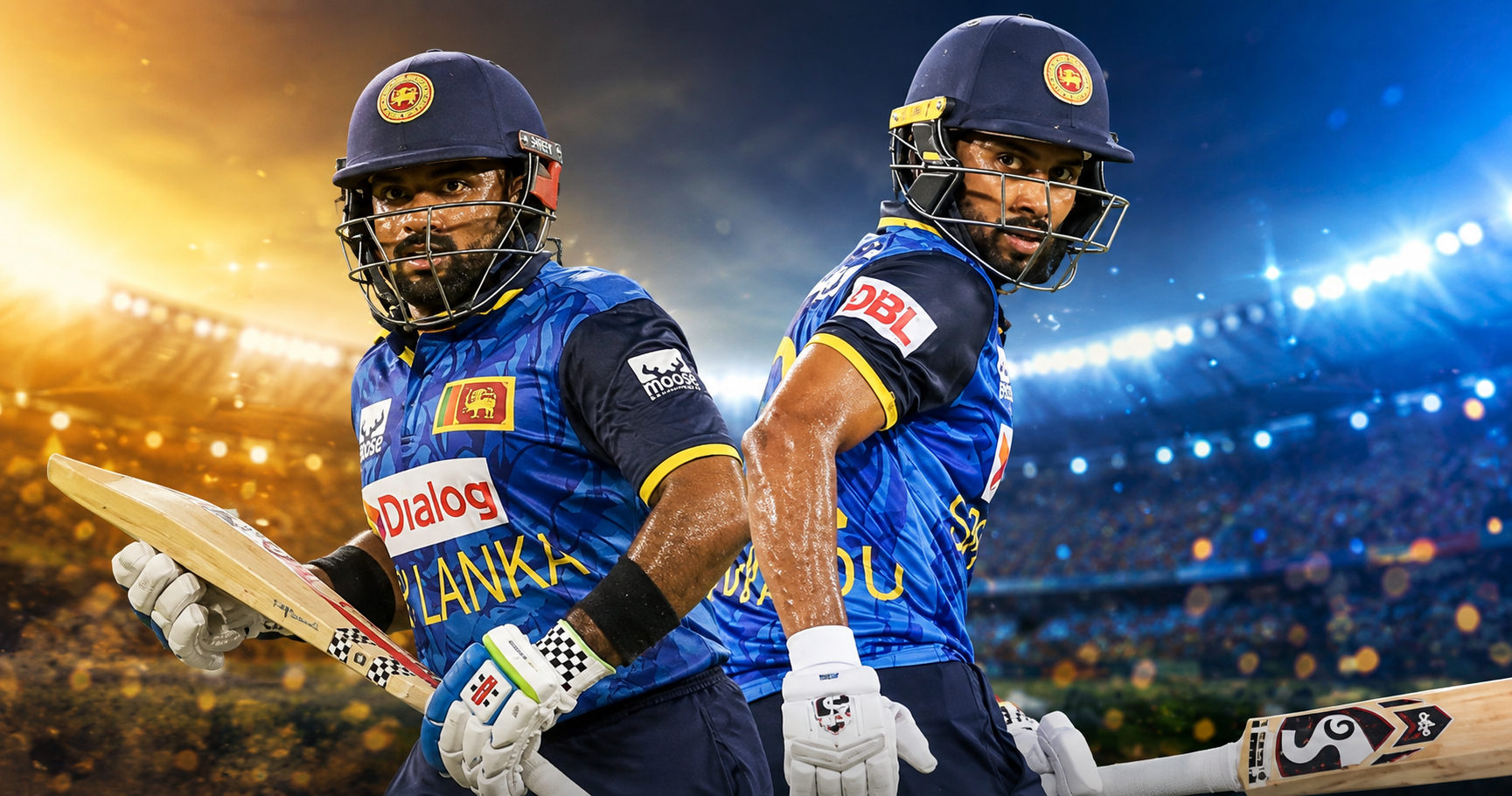
Sri Lanka Cricket’s decision to appoint Charith Asalanka as vice-captain of both the ODI and T20I teams, replacing Kamindu Mendis, represents more than a routine change to the leadership group. It raises important questions about how Sri Lanka plans to identify, develop and prepare its next generation of national leaders.
Kusal Mendis will continue as captain in both formats when Sri Lanka tours England for three T20Is and three ODIs from September 15 to 27. Asalanka returns to the leadership group after previously captaining Sri Lanka in both white-ball formats.
Asalanka’s appointment is, in itself, difficult to question. The left-hander has already experienced the responsibility of leading the national side and understands the tactical, technical and psychological demands of international captaincy.
Rapid Change in Succession Plan
The bigger concern, however, is the speed at which Sri Lanka’s leadership succession plan appears to have changed.
Only in May, Sri Lanka Cricket appointed 27-year-old Kamindu Mendis as vice-captain across all three formats, an elevation that appeared to signal his importance in the country’s future leadership structure.
Just three months later, Kamindu has been replaced by Asalanka as vice-captain of the white-ball teams, although he remains part of both squads for the England tour.
That naturally raises a question: What changed?
If Kamindu was considered ready in May to take on the vice-captaincy across Tests, ODIs and T20Is, the selectors should provide a clear cricketing rationale for why Asalanka is now considered the better choice in the two white-ball formats.
This does not necessarily mean Kamindu should have retained the position. Selection committees have every right to reassess leadership requirements based on performance, team balance, tactical needs and future planning.
However, developing international leaders requires consistency, clarity and patience.
Leadership roles should ideally be part of a clearly defined succession strategy rather than being adjusted every few months without an explanation of the thinking behind the changes.
The Bigger Picture
Sri Lanka has a number of players capable of taking on greater leadership responsibilities in the coming years. The challenge for the selectors is not simply to identify the next captain, but to gradually prepare players for the demands that come with leading the national team.
Asalanka’s experience makes him a logical choice for the current white-ball setup. At the same time, Kamindu’s recent elevation suggests that he remains part of Sri Lanka’s long-term plans.
The key now is to ensure that the leadership pathway is clearly communicated and consistently managed.
For a team looking to build a strong future beyond its current leadership group, the process of developing the next generation of captains should be as carefully planned as the selection of the playing XI itself.